Urban Soil Health: The Foundation of Strong Trees
Urban Soil Health Union City
In Union City’s urban environment, soil quality often determines the success or failure of tree growth. As certified arborists, we regularly encounter soil-related challenges that affect tree health. Understanding and improving soil conditions creates the foundation for thriving urban trees.
Urban Soil Issues
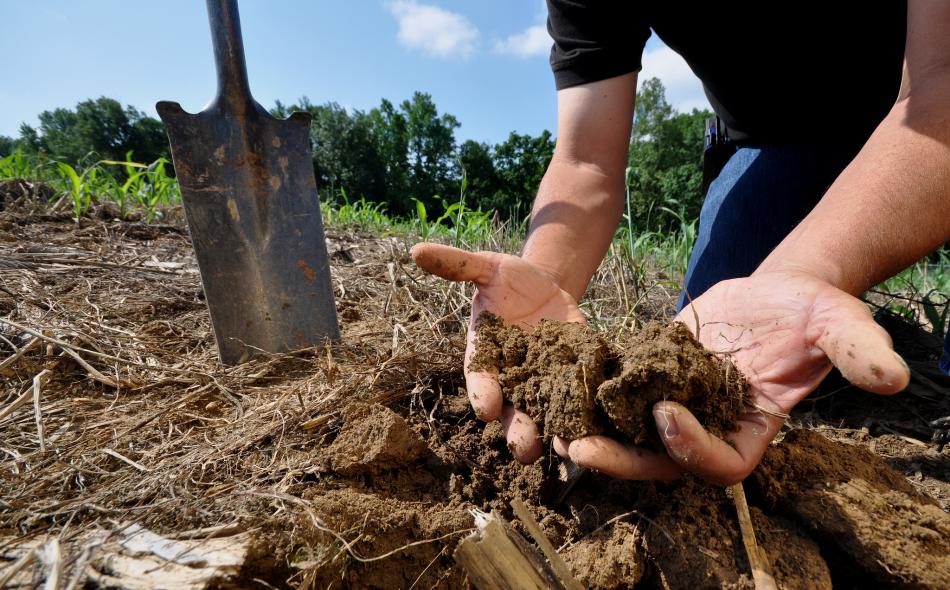
Building activities disrupt natural soil layers and commonly result in compacted, low-nutrient environments that are dramatically different from those which trees would normally experience. Urban soil is typically composed of a combination of many different soil types, creating potential challenges for tree care.
Utility and building infrastructure limit soil volume and root development. Utility lines, building foundations, and pavement all create barriers that can severely limit the development of roots in trees.
Fill materials used as part of artificial fills alter soil chemistry and physical structure. The majority of urban area soils have been created from construction waste or other materials, which may be lacking in necessary nutrients and beneficial microorganisms. It is necessary to perform a thorough soil assessment and develop targeted treatment strategies to improve soil quality.
Soil Testing and Evaluation
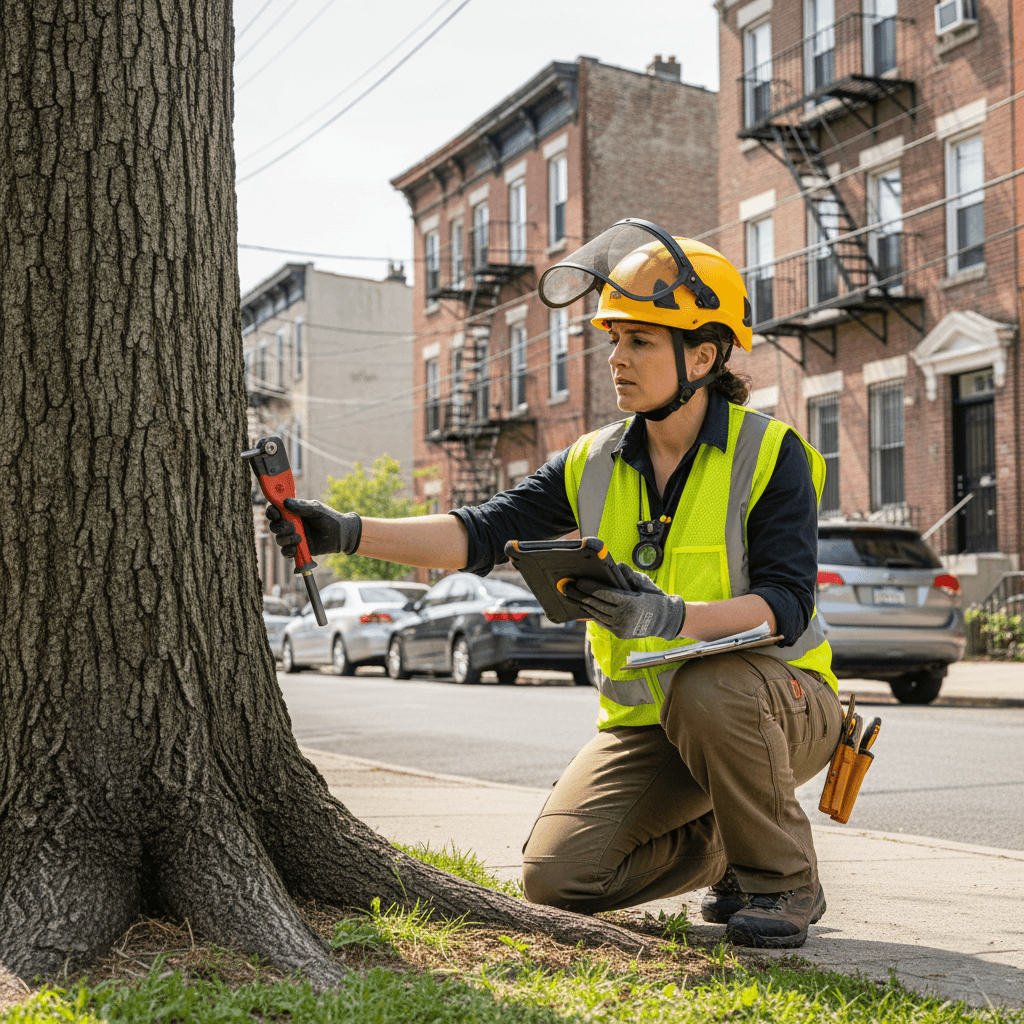
Laboratory testing will determine soil nutrient levels, pH level, and soil organic content. Laboratory test results will help develop an effective soil management plan by providing critical information about soil conditions and identifying trends in soil condition over time.
Physical structure evaluation provides detailed information regarding the compaction of the soil and the drainage pattern of the soil. Evaluating the physical structure of the soil will help identify areas where root growth may be limited and will help identify specific corrective actions to take to improve root growth.
Evaluation of biological activity evaluates the population of beneficial microorganisms within the soil. Microorganisms play an essential role in soil processes such as nutrient cycling and root health. An evaluation of the biological activity of the soil will help identify if the soil has sufficient numbers of beneficial microorganisms to support healthy plant growth.
Improving Urban Soils
There are several ways to improve urban soils:
- Adding organic matter to the soil improves soil structure and function. Adding organic matter to the soil will improve the structure and function of the soil. When adding organic matter to the soil, it is important to select a material that is suitable for your needs, apply the material at the correct rate, and properly incorporate the material into the soil.
- Relieving compaction through aeration techniques increases oxygen levels. There are many different techniques available to aerate soils. Each technique will work best in a particular set of site conditions and with a particular species of tree. The timing of aeration treatments should be strategic to maximize the benefit of the treatment.
- Optimizing pH will optimize nutrient availability. Trees grow best in soils that are slightly acidic to neutral (slightly acidic = pH 6.0 – 7.0; neutral = pH 7.0). Optimizing the pH of your soil will optimize nutrient availability.
Soil Testing
Water Management
Improving drainage prevents water-related stress. Poor drainage can lead to a wide variety of problems related to tree health. A professional solution to this problem can include addressing both the surface flow of water and the subsurface flow of water.
Developing an irrigation plan ensures consistent moisture levels. The type of soil you have will dictate the amount of water needed to maintain optimal moisture levels in the soil. A professional can assist you in developing a plan that is tailored to your needs.
Using mulch practices regulates soil temperature and moisture. Using mulch in the right way can help to regulate the temperature and moisture levels in the soil. A professional can guide you in the use of mulch to achieve the desired benefits while avoiding common mulching mistakes.
Protecting the root zone of construction-damaged established trees saves valuable trees. If you are going to do construction work on your property, consult a professional to find out how to prevent damage to the established trees on your property. Planning can save money and reduce the potential for soil problems down the road.
Reducing traffic reduces soil compaction. Depending upon the intended use of your site, there are many different solutions that can be implemented to reduce traffic and subsequently reduce soil compaction. A professional will assess the conditions of your site to recommend the most effective method.
Reducing chemical exposure maintains soil health. Urban sites often involve chemicals that can harm the soil and its inhabitants. A professional can help you to minimize the negative impact of chemicals on your site.
Ongoing Long-Term Management of Soil Conditions
Regular monitoring tracks changes in soil condition. A professional can conduct regular assessments of your soil conditions to catch emerging problems before they become serious. Continuous evaluations of the soil conditions will also help you make informed management decisions.
Addressing emerging problems develops adjustment strategies. Depending upon the nature of the problem, a variety of solutions may be possible. A professional can help you to develop an effective response to emerging problems.
Planning to reduce future problems. A good understanding of the current site conditions will allow you to anticipate and possibly avoid common problems. A professional can assist you in developing an effective strategy to manage your site for the long term.
Schedule a Soil Assessment
Call us today to schedule an assessment of your soil conditions. Our certified arborists will provide you with expert guidance on improving your soil and promoting healthy tree growth.
LATEST POSTS