Menu
Early Tree Disease Detection & Management in Union City, NJ
Tree Disease Treatment Union City
The earlier a disease is identified, the greater the chance there is for it to be treated successfully and at a lower cost than if it had been allowed to go untreated or if it had progressed to an irreversible point. If property owners are aware of the signs of common tree diseases, they can identify when their trees have contracted a problem before it becomes irreversible. Effective tree disease treatment starts with making an accurate diagnosis and then implementing a corresponding management strategy. This complete resource covers how to identify tree diseases, prevent them from occurring, and treat them so that all trees in all areas of Union City’s many different neighborhoods and its tough urban environment remain healthy.

Tree Diseases in Union City
Many types of diseases occur among Union City trees. A few types of diseases are caused by bacteria, but most are caused by fungi. Fungi can infect almost every part of a tree, including its leaves, bark, roots, and the vascular systems of the tree.
Fungal Diseases
Most types of leaf diseases produced by fungi will result in small, circular or irregularly shaped dead areas on leaves, usually with colored margins. These dead areas can vary in size and shape, depending on the type of disease. Foliar fungi rarely kill trees, but they can reduce the overall vigor of the tree and its aesthetic appeal.
More destructive types of fungal diseases attack the vascular systems or structural wood of trees. Verticillium wilt is a type of disease that restricts water flow through the vascular systems of trees, resulting in branch die-back and eventually killing the tree. Root rots are another type of disease that attacks the underground support structures of trees. Once a tree develops root rot, it is likely that the tree will die, unless drastic action is taken to save the tree.
Bacterial Infections
Bacterial diseases occur less frequently than fungal diseases, but can also be devastating to susceptible species. Fire blight is a bacterial disease that occurs on flowering trees such as crabapples and pears. This disease causes the shoot tips of the tree to develop blackened lesions. Bacterial leaf scorch is a disease that is characterized by marginal browning of leaves that progresses toward the center of the leaf.
Both fire blight and bacterial leaf scorch can be transmitted through rain splashing, insects, and contaminated equipment. Both of these diseases can be prevented through good sanitation and disinfection of equipment.
Environmental and Physiological Disorders
There are other types of disease that occur due to environmental and nutritional stressors in addition to pathogenic diseases. Drought, salt, nutrient deficiencies, and pollution can all contribute to disease symptoms that resemble those of infectious diseases.
Distinguishing between environmental and infectious disease problems is necessary to apply the proper treatment. If the symptoms are still unclear after conducting a physical examination, a professional diagnosis is recommended. Urban environments can put additional stress on trees, that increase the likelihood of disease.
Early Warning Signs of Problems That Need to Be Addressed
Early detection of tree problems is important because treatment options tend to be more effective when the problem is detected early. There are several ways that property owners can observe the status of their trees and identify potential problems before they become severe.
Foliage Abnormalities
Abnormalities in the foliage of a tree are often the first indication of disease. Leaf color changes (such as yellowing, browning, or red) can be indicative of several different problems. Small circular or irregularly-shaped dead spots on leaves can be indicative of fungal diseases. Loss of leaves prior to the normal fall season can be indicative of several different diseases, including vascular diseases and root problems. Property owners who live in neighborhoods adjacent to The Heights should regularly inspect their trees’ foliage during the growing season.
Bark and Branch Symptoms
Abnormalities in the bark of a tree can be an indication of a serious disease. Cankers are small, sunken areas on the bark of a tree that are typically surrounded by discolored bark. Sometimes cankers will ooze sap. Cracks, splits, or peeling bark can be indicative of both disease and environmental stress. Unusual bark discoloration can be an indication of internal decay. Die-back of branches starting from the tip of the branch and moving toward the base of the branch can be an indication of several different diseases. Sudden branch failure can be an indication of internal rot weakening the wood structure. Unusual branching, such as excessive sprouting, can be an indication of tree stress response.
Root and Soil Indicators
It can be very difficult to diagnose root diseases since the damage to the roots often cannot be seen until there are obvious signs of disease above ground. Mushroom growth or other fungal growth near the base of a tree can be an indication of root or trunk rot. Soil heaving or cracking can be an indication of root system problems. Trees that lean or have lost stability can have compromised root systems.
Poor growth, reduced leaf size, and general decline in tree performance can all be signs of hidden root disease. Unfortunately, by the time these symptoms become apparent, the root damage may be extensive. Early professional assessment of tree condition can improve the chances of successful treatment.
Common Diseases Found in Union City Trees
There are several common diseases found in urban New Jersey trees. Familiarity with these diseases will help property owners quickly identify potential threats to their trees.
Anthracnose
Anthracnose is a fungal disease that attacks numerous hardwood species, including maple, oak, and sycamore, which are common in Union City. It causes irregular brown leaf spots and premature defoliation. Symptoms appear worse during cool, wet springs.
Repeated severe infections can weaken trees. Sanitation practices, including the removal of infected leaves, will help reduce the disease pressure. Fungicide applications made during bud break will help protect susceptible species. Properties located along Summit Avenue with mature shade trees should be inspected regularly for anthracnose symptoms.
Verticillium Wilt
Verticillium wilt is a soil-borne fungus that attacks numerous tree species, including maple, ash, and dogwood. Symptoms include branch wilting, yellowing foliage, and characteristic brown streaking in the sapwood. Infections typically begin with single branches and then spread.
There is no cure for verticillium wilt once a tree has developed the disease. Management efforts focus on cutting out infected branches, reducing stress, and practicing good sanitation. Severely infected trees may need to be removed to prevent the accumulation of fungal spores in the soil. Planting resistant species will help prevent the occurrence of the disease.
Powdery Mildew
Powdery mildew is a fungal disease that creates a white powdery substance on leaves, young shoots, and buds. Numerous tree species, including maple and dogwood, are susceptible to this disease. Although unsightly, powdery mildew rarely presents a serious threat to healthy, established trees.
The disease is favored by warm days and cool nights, combined with high humidity. Improved air circulation via proper pruning will help reduce infection severity. Fungicides can provide control when aesthetic concerns justify the expense.
Leaf Spot Diseases
Leaf spot diseases are caused by various fungi and create circular or irregular spots on leaves. Each fungus tends to be host-specific and will only attack certain tree species. The severity of the disease can vary significantly from being simply aesthetically unpleasing to severely debilitating to the point of affecting the overall vigor of the tree.
Removal of fallen leaves will disrupt the life cycle of the disease. For most leaf spot diseases, no treatment is required for established trees. However, young or highly valued trees may require fungicide treatments during the vulnerable spring period.
Strategies to Prevent Diseases
Prevention of disease is always the most cost-effective and efficient way to manage tree health problems. A comprehensive disease prevention program protects investment in trees while minimizing long-term maintenance expenses.
Selecting Appropriate Tree Species
The selection of disease-resistant tree species and selecting species suitable for Union City conditions will eliminate many problems. Some tree species exhibit inherent resistance to common diseases. Selecting species that grow well in local conditions reduces stress, thereby increasing disease susceptibility.
Avoid planting species that are known to be susceptible to specific diseases that commonly occur in your area. By diversifying the tree species found on your property, you can limit the potential for disease spread. Consulting with a professional can help you select the best tree species for your landscape needs.
Tree Cultural Practices for Good Health
Healthy trees are able to resist diseases more effectively than stressed trees. Maintaining good tree culture practices includes providing proper water, fertilizers, and mulch. Avoid damaging the trunks and roots of trees to prevent pathways for pathogens to enter the tree.
Using clean, sharp pruning equipment and performing proper pruning techniques will minimize the potential for disease transmission. Prune trees during times that do not coincide with high-risk disease periods to further minimize potential disease transmission.
Properties found in West Hoboken may benefit from establishing a complete tree cultural care program.
Removing Diseased Material
Removing and disposing of diseased plant material is essential to breaking disease cycles. Removing and disposing of diseased leaves in the fall will reduce disease pressure in subsequent years. Dispose of pruned branches of diseased trees in a manner that prevents the disease from spreading to other trees.
Disinfecting equipment used to prune diseased trees will prevent contamination of other trees. Some diseases require strict sanitation measures, including burning or deep burial of diseased material.
Importance of Professional Diagnosis
A correct diagnosis is crucial for the proper treatment of tree diseases. Several diseases present similar symptoms, and therefore, a professional diagnosis is needed to determine the most effective course of treatment.
Diagnostic Laboratories
Some diseases must be confirmed by a laboratory analysis to ensure accurate diagnosis. Submitting samples to diagnostic laboratories will allow for accurate identification of pathogens and guide targeted treatments rather than relying on broad-spectrum treatments.
Certified Arborists
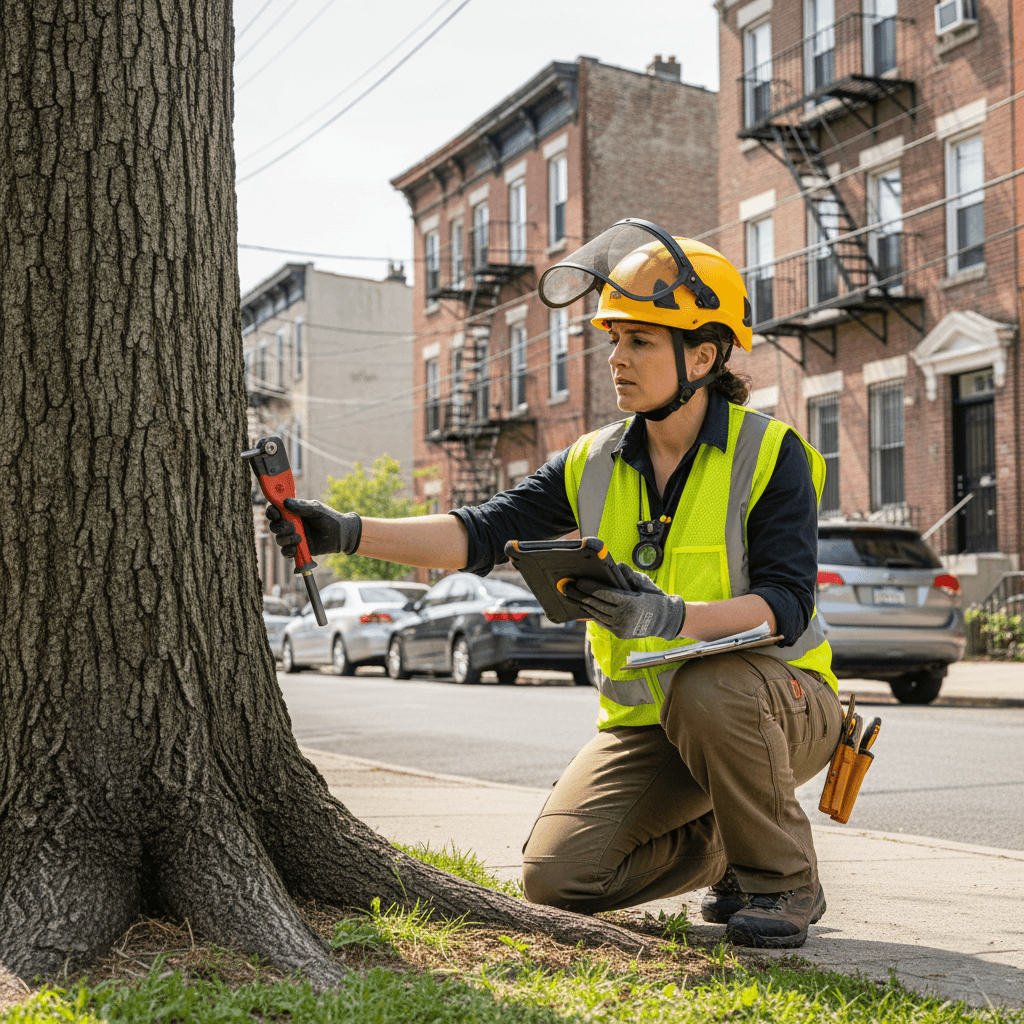
Certified arborists have the training and experience to correctly identify symptoms of disease. They can distinguish between similar appearing diseases and identify contributing factors beyond obvious symptoms.
Arborists provide comprehensive management recommendations that address both immediate disease issues and long-term tree health. A holistic approach to managing tree health provides better results than just treating symptoms without understanding the underlying cause of the disease.
Treatment Options and Efficacy
Several methods exist to treat tree diseases, ranging from modifying cultural practices to applying chemicals. The method of treatment selected will depend on the type of disease, severity of the infection, value of the tree, and practical considerations.
Pruning and Sanitation
Removing diseased branches removes the source of the disease and promotes improved tree structure. Making proper cuts when pruning will encourage rapid wound closure, thereby reducing the opportunity for secondary infections. Pruning is an effective treatment option for a variety of diseases, including fire blight and some canker diseases.
Timing is everything when it comes to pruning for disease management. Prune immediately when treating some diseases, and delay pruning until the dormant season for other diseases. A certified arborist will ensure that the pruning is done properly and at the right time.
Fungicide Applications
Fungicides are effective in controlling fungal diseases when applied as a preventative or at the initial stage of the disease. Fungicides generally function best as protectants and are most effective when applied to healthy tissues. Application of multiple fungicide treatments throughout the susceptible period will provide season-long protection.
Timing of fungicide applications is critical to their efficacy. The application must be made before infection occurs for most diseases. Certified arborists will ensure that the correct products are applied, that the products cover the entire tree properly, and that the products are applied at the correct time. Properties located throughout Transfer Station may require fungicide applications for valuable specimen trees.
Systemic Treatments
Injectable fungicides and bactericides introduce the active ingredient into the vascular system of the tree. Systemic treatments protect against several wilt diseases and systemic infections. Typically, a single application of systemic treatments will provide protection for one year or longer.
Systemic treatments are an option for high-value trees where spraying the tree externally is not feasible. When injecting systemic treatments into trees, a certified arborist will ensure that the proper amount and application technique are used.
Soil Treatments
Some root diseases can be treated with fungicides or beneficial organisms applied directly to the soil. Soil drenches provide treatments to the root zone of trees affected by certain pathogens. Mycorrhizal inoculation enhances root health and resistance to disease.
Improvement of soil conditions (i.e., drainage, pH, etc.) through the use of amendments can reduce the predisposition of trees to disease. Often, the use of amendments is a more effective form of treatment than chemical treatments for stress-related disease problems.
Monitoring and Continuing Management
Tree disease management requires continued vigilance and monitoring to detect new problems as soon as possible and to assess the effectiveness of previous treatments.
Seasonal Inspection Schedules
Each disease has a specific time frame when it is most prevalent. Monitoring trees in the spring will help detect early fungal infections as foliage emerges. Summer monitoring will detect stress-related problems and several leaf diseases. Fall assessments will evaluate the total impact of disease on trees throughout the season.
Regular seasonal inspections will help property owners anticipate potential problems before they arise. Regular walking inspections of properties by property owners during the growing season will allow them to see changes in the condition of the trees. Annual inspections by certified arborists will provide expert evaluations and enhance property owner observations.
Documentation and Record Keeping
Documenting and maintaining records of tree disease occurrences, treatments provided, and results obtained will assist in guiding future management decisions. Documenting and maintaining records will help identify patterns and predict disease pressures. Documentation will also preclude repetitive and ineffective treatment attempts.
Photographic evidence will serve as a valuable tool for documenting and comparing disease progression or treatment successes. Providing dated photographic evidence will create objective records that support management decisions. Properties in Palisade Avenue may benefit from documenting and maintaining consistent record-keeping practices.
When Tree Removal Becomes Necessary
In some instances, a tree can be infected by a disease that is incurable; the only way to remove the problem is to remove the tree. Recognizing when treatment is no longer an option saves money by not wasting time and resources on something that will never get better.
Factors That Influence Hazard Assessment for Trees Diseased by Disease
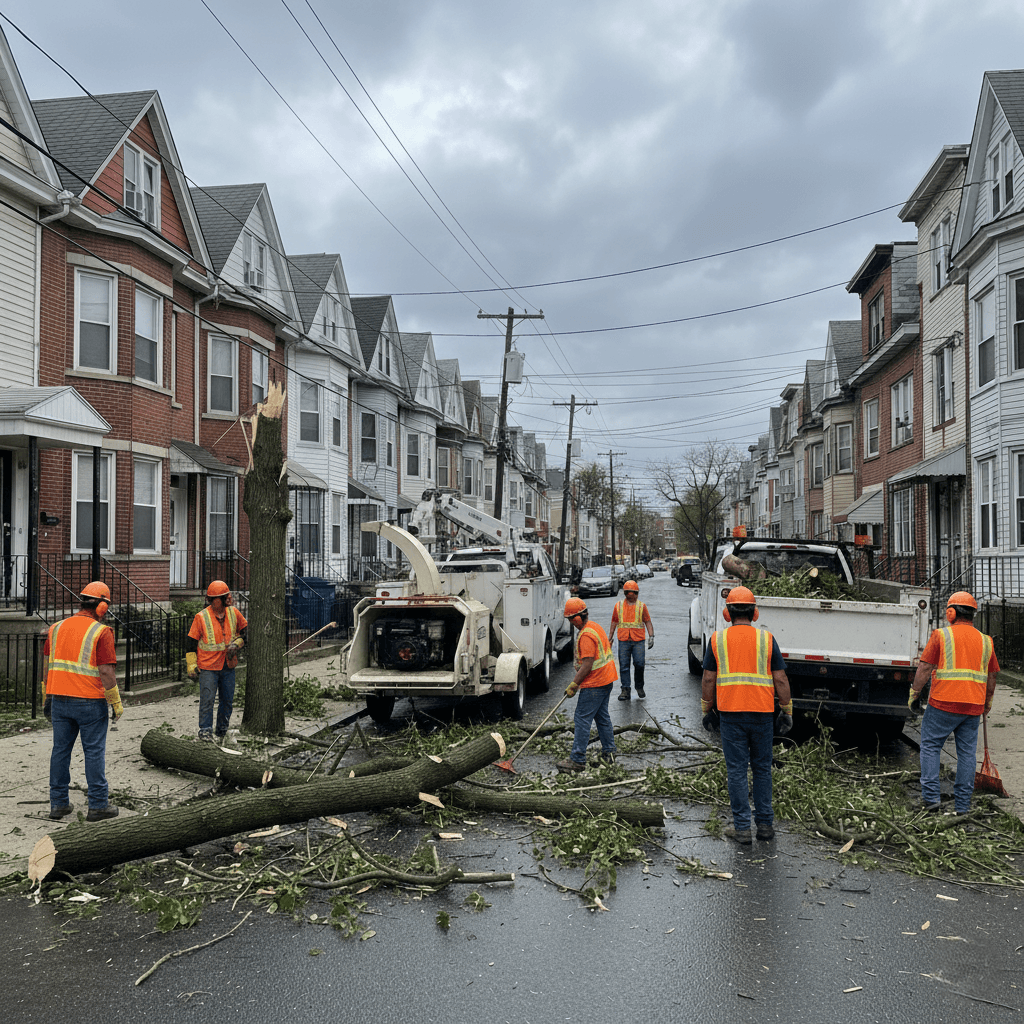
When a tree suffers from root rot, trunk decay, and/or extensive die-back, it is structurally compromised and can create a hazardous condition for people and property nearby. In these instances, a professional should assess the hazard of the diseased tree to determine if it needs to be removed due to the potential risk to people or property.
Trees in proximity to buildings, sidewalks, or high-traffic areas are particularly at risk and should be removed as soon as possible to prevent damage to property and/or injury to individuals. Removing a potentially hazardous tree also reduces liability and justifies the removal even though there may be an emotional attachment to the tree.
Tree Replacement Consideration
When a diseased tree is removed, it presents an opportunity to replace the tree with one that is disease-resistant. Choosing trees that have resistance to the same disease will reduce the chance of having another diseased tree. If the disease was caused by a pathogen that was living in the soil, then the soil may need to be treated or replaced before replanting. Waiting long enough to allow the disease-causing pathogens in the soil to decline is important before replanting. Depending on the type of disease, pathogens can live in the soil for several years, and a long fallow period may be required before replanting. Consulting with a professional is the best way to ensure that a new tree will grow successfully after the diseased tree has been removed.
Value of Using a Professional Arborist to Protect Your Trees
Disease problems with trees are complex, and using a professional will increase the chances of success. A tree health care program offers a comprehensive approach to protecting your trees from disease problems through regular monitoring, prevention, and quick action when problems arise. Professionals use specialized equipment, professional-grade products, and their extensive experience to treat your trees, which typically results in a better outcome than if you were to try to treat your own trees. The investment in a professional tree health care program will help protect your valuable trees, maintain the beauty of your landscape, and ensure they function properly.
Union City Tree Experts provides a full range of services related to tree disease, including monitoring, maintenance, and treatment programs. All of our ISA Certified Arborists have received advanced training in diagnosing and treating disease problems in trees. We will monitor your trees regularly to identify any problems early and implement preventative measures to help keep them healthy. Once a disease is identified, we will develop and implement a treatment plan designed to protect your valuable trees. Regardless of the stage of your tree’s disease (identification of unknown symptoms, implementing preventative programs, or addressing a confirmed disease), we have the expertise and knowledge to assist you in developing a successful tree disease management plan throughout Union City’s challenging urban environment. We provide a full range of services from the first inspection to monitoring, maintenance, and treatment programs designed to protect your valuable trees from disease problems and preserve the health, beauty, and safety of your trees for many years to come.
LATEST POSTS